

Agility Training at Home: Activities to Try Before Your First Class
Are you curious if your dog will like this sport?
Agility is a fast pace, fun activity to do with your dog! Below are some suggestions on how to get a taste of Agility at home, and see if it is something you might want to pursue further.
Puppy owner: Your dogs development and safety is important, doing agility jumps is something you don’t want to start with your puppy until they are over 12 months of age. But you can do the same activities with the bar on the ground.
Toys
Place Table
Okay, so this isn’t a ‘fun’ toy, but an essential training item! And it can be fun for your dog, because he will get treats when on it. 🙂 The Klimb or Cato board is foundational for most dog trainings activities. Each of the product websites have great video’s on how to train the variety of different uses for the boards.
Obstacles
The obstacles are what make Agility fun to watch!
For beginners and casual ‘for fun’ activities you can purchase off of Amazon. But the quality of their hoops and tunnels is very flimsy. If you have a sensitive dog using flimsy equipment that snaps or falls apart while in use can be a horifying experience, and may turn your dog away from the sport. Instead of the cheap “Agility Set”s on Amazon, I would recomend the Cone Hurdles on the right. They can be used to make jumps (of varying heights) or the cones can be used alone for training tricks, commands like “around”. I found the set was good quality and versitile in use (even after we moved away from training Agility.)
Serious about Agility?! If you want quality Agility gear, purchase from a website like J&J (which provide competition quality equipment). The tunnels can be $300-$500 and each jump ~$100.
Another option, if you are saavy at DIY, is building your own jumps with PVP pipes.
Lotus Ball
For some dogs playing tug with your owner is just as rewarding (or more) than food. In agility toys are often used as a reward because they can be thrown as a reward to the location where the dog should run (for distance skills). If your dog is food motivated like mine – try out this toy, it can be ‘loaded’ with treats and thrown like a toy.
*items shown are products I have personally purchased. If you purchase through these links, thank you!, it helps support the website
Games
Games are a great way to build your dog’s drive, practice focus, and grow the owner/handler and dog bond! Your pup should know a couple foundational commands before starting Agility. Your dog will run off leash, so a good Recall (or “Come”) is important. And Crate Trained; they should be able to remain in the crate calmly while you are sitting close by. Ideally they can remain calm in the crate when you are out of sight as well.
“Feet”
This game teaches your dog to put his feet on a target location with a (farm) feed bowl, the skill can then be transferred to flat and smaller objects. In agility it can be useful to give you dog an ‘end’ point. e.g. he is running out of a tunnel and by sight and/or command and you want him to keep driving forward, the bowl can be used as that ‘stopping’ point.
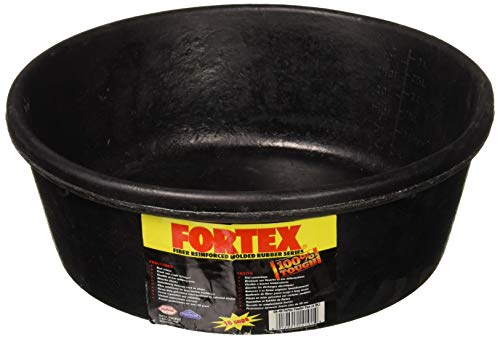
For this activity you need a bowl (like this one, suitable for large dogs). Or choose something similar from home that has rubber/non sliding bottom and non slip rim. The object also needs to be study enough for your dog’s weight.
- Prep – Grab some treats, clicker (if desired), and put the Bowl upside down on the ground
- Lure your dog with the treat in-hand so that your moves forward and stands with his two front paws on the bowl.
- When the two paws hit the bowl, use the Clicker or marker word (e.g. “Yes!”) and feed the treat.
- To get him off of the bowl throw a treat into the ground next to you
- When your dog is getting onto the bowl consistently use the marker word (“Feet” or your word of choice) before he gets onto the bowl
- Rinse and Repeat!
- To increase the distance, after he gets on the bowl for his treat, try throwing the ‘reset’ treat further away from the bowl.
- Also vary your location, step by step move further away from the bowl. Keep with the marker word (“Feet”) and continue to pay him his treat at the bowl.

